
Brain Tumors: Symptoms, Diagnosis & Treatment Options
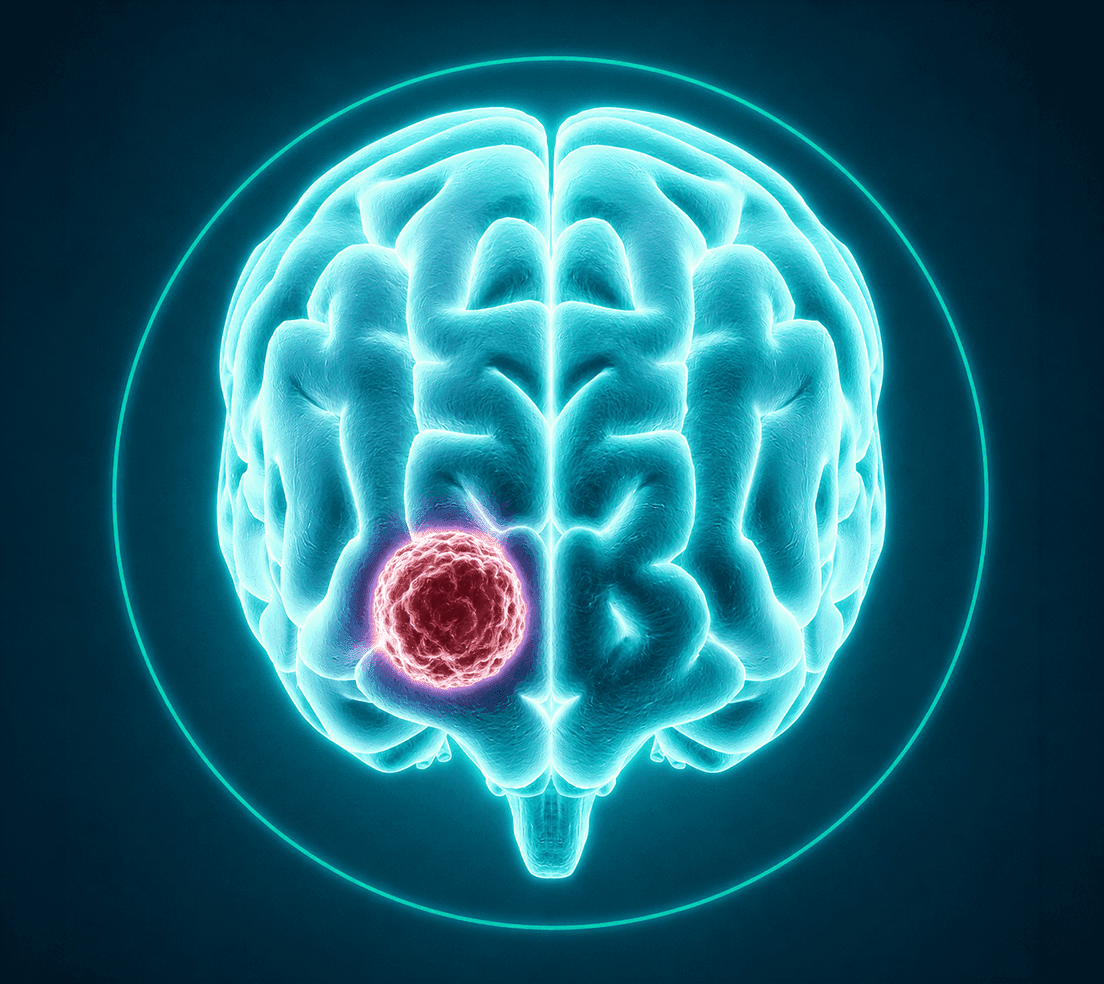
What Are Brain Tumors? Brain tumors are abnormal growths of cells that develop in or around the brain. They can be benign (non-cancerous) or malignant (cancerous). Having a brain tumor does not necessarily mean that it is cancerous. Many brain tumors are benign and can be successfully managed or treated, depending on their type, size, location, and effect on surrounding brain structures. The appropriate treatment depends on several factors, including the type of tumor, its location and size, the symptoms it causes, and the patient's overall health. What Are the Symptoms of a Brain Tumor? Brain tumor symptoms can vary significantly depending on the location and size of the tumor and the areas of the brain that may be affected. Possible symptoms include: Persistent or worsening headaches. Nausea or vomiting without an obvious cause. Blurred or impaired vision. A first-time seizure. Weakness or numbness in an arm or leg. Problems with balance or walking. Changes in memory or concentration. Changes in behavior or personality. Having one or more of these symptoms does not necessarily mean that a brain tumor is present, as many of them can have other causes. However, persistent or unexplained neurological symptoms should be medically evaluated. What Causes Brain Tumors? In many cases, the exact cause of a brain tumor is not known. Brain tumors develop when abnormal cells grow and multiply in an uncontrolled way. Some factors may increase the risk of developing certain types of tumors, but having a risk factor does not necessarily mean that a person will develop a brain tumor. A proper medical evaluation is needed to determine the nature of any abnormal growth found in the brain. How Are Brain Tumors Diagnosed? Brain tumor diagnosis usually begins with a medical history and neurological examination. Depending on the symptoms and initial findings, the doctor may recommend imaging tests such as: Magnetic Resonance Imaging (MRI) An MRI scan provides detailed images of the brain and can help identify the location and characteristics of a tumor. Computed Tomography (CT) Scan A CT scan may be used in certain situations to provide additional information about the brain and identify abnormalities. Tumor Biopsy In some cases, a biopsy may be required to examine tumor tissue and determine its exact type and characteristics. The diagnostic approach depends on each patient's condition and the suspected type and location of the tumor. Do All Brain Tumors Require Surgery? No. Not every brain tumor requires surgical treatment. The treatment plan depends on factors such as: Tumor type. Tumor size. Tumor location. Symptoms and neurological effects. Whether the tumor is growing. The patient's overall health. Depending on the case, treatment may include: Regular monitoring and follow-up. Surgical removal of the tumor. Radiation therapy. Medication or chemotherapy for certain types of tumors. In some cases, surgery may be recommended to remove as much of the tumor as safely possible, obtain a tissue diagnosis, or relieve pressure on surrounding brain structures. When Is Brain Tumor Surgery Needed? Brain tumor surgery may be considered when the tumor is causing significant symptoms, affecting important brain structures, increasing in size, or when obtaining a tissue sample is necessary to determine the appropriate treatment. The goal of surgery depends on the individual case and may include removing the tumor completely when possible, reducing its size, relieving pressure, or obtaining tissue for accurate diagnosis. The decision to perform surgery should be based on a detailed evaluation of the patient's symptoms, imaging results, tumor characteristics, and overall health. When Should You See a Doctor? You should seek medical evaluation if you experience a persistent or worsening headache, especially when it is accompanied by neurological symptoms such as: New or unexplained seizures. Weakness or numbness in the limbs. Changes in vision. Problems with balance or walking. Significant changes in memory, concentration, or behavior. These symptoms can have many possible causes, but medical evaluation can help identify the underlying condition and determine whether further testing is needed. Conclusion Brain tumors vary widely in their type, location, behavior, and treatment. An early and accurate diagnosis helps doctors determine the most appropriate treatment plan for each patient. Depending on the specific case, treatment may involve monitoring, medication, radiation therapy, or brain tumor surgery. If you are experiencing persistent headaches, seizures, vision changes, weakness, numbness, or other unexplained neurological symptoms, consult Dr. Osama Mostafa Mowafy, Consultant Neurosurgeon & Spine Surgeon, for proper evaluation and an individualized treatment plan.