
Herniated Disc Treatment: Symptoms, Causes & Treatment Options
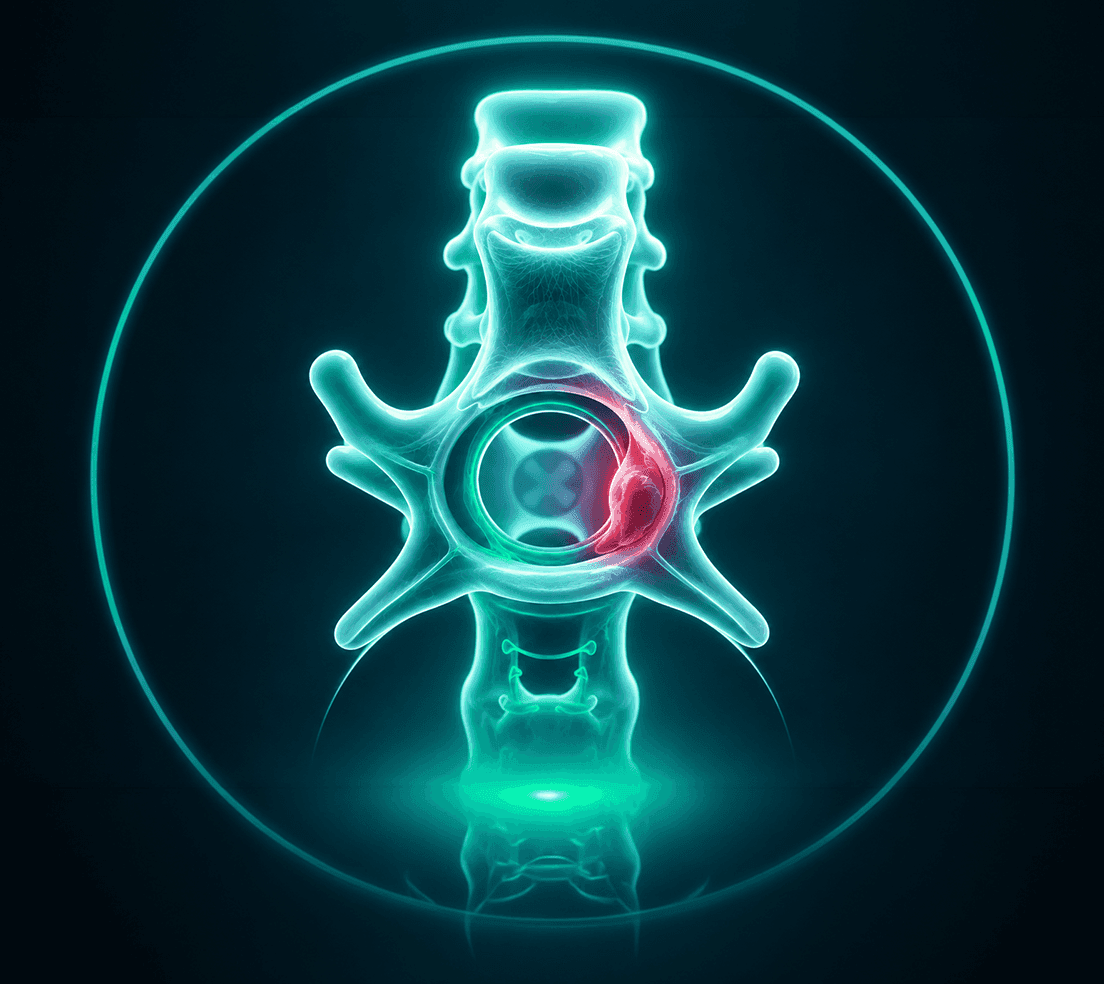
What Is a Herniated Disc? A herniated disc is one of the most common conditions affecting the spine. It occurs when part of a spinal disc moves out of its normal position and may put pressure on nearby nerves, causing pain, numbness, tingling, or muscle weakness. A herniated disc can affect the neck (cervical spine) or lower back (lumbar spine). Symptoms can vary depending on the location of the disc and the degree of nerve compression. What Causes a Herniated Disc? Several factors can increase the risk of developing a herniated disc, including: - Age-related changes in the spinal discs. - Lifting heavy objects incorrectly. - Sudden movements or excessive physical strain. - Sitting for long periods, especially with poor posture. - Being overweight. - Spinal injuries. - Weak back and core muscles. In some cases, a herniated disc can develop gradually as the spinal discs become less flexible with age, even without a specific injury. What Are the Symptoms of a Herniated Disc? Symptoms depend mainly on the location of the herniated disc and the amount of pressure it places on nearby nerves. Common symptoms include: - Neck or lower back pain. - Pain that radiates into the arm or leg. - Numbness or tingling in the arms, hands, legs, or feet. - Muscle weakness. - Difficulty with certain movements. - Pain that may become worse with coughing, sneezing, or certain movements. Some people may have a herniated disc without experiencing significant symptoms. For this reason, an abnormal finding on an MRI does not necessarily mean that surgery is required. Can a Herniated Disc Cause Sciatica? Yes. A herniated disc is one of the most common causes of sciatica, particularly when a disc in the lower back compresses one of the nerve roots that contributes to the sciatic nerve. Sciatica may cause pain that travels from the lower back through the buttocks and into the leg. It can also be accompanied by numbness, tingling, or muscle weakness. However, sciatica can have other causes, including spinal canal stenosis and other spinal conditions. Identifying the underlying cause is essential for choosing the appropriate treatment. How Is a Herniated Disc Diagnosed? Diagnosis usually begins with a medical history and physical examination. The doctor evaluates symptoms, muscle strength, sensation, and reflexes to determine whether a nerve is being affected. Depending on the symptoms, additional tests may include: - Magnetic Resonance Imaging (MRI): Provides detailed images of the spinal discs, nerves, and surrounding structures. - Computed Tomography (CT) Scan: May be used in certain cases. - Other diagnostic tests may be recommended depending on the patient's condition. Importantly, imaging results should always be evaluated alongside the patient's symptoms and clinical examination. Does Every Herniated Disc Require Surgery? No. Many cases of herniated disc can be managed without surgery. Treatment depends on the severity of symptoms, the degree of nerve compression, and how the patient responds to conservative treatment. Non-surgical treatment may include: -Appropriate medications. -Physical therapy. -Activity modification. -Certain injections when clinically appropriate. Herniated disc surgery may be considered when symptoms persist despite appropriate treatment or when significant nerve compression is causing neurological problems. When Does a Herniated Disc Need Surgery? Surgery may be recommended when it is considered the most appropriate treatment, particularly in cases involving: -Severe or persistent pain that does not improve with appropriate treatment. -Progressive muscle weakness. -Significant nerve compression causing persistent neurological symptoms. Loss of bladder or bowel control, which requires urgent medical assessment. The decision to perform surgery is not based on MRI findings alone. It depends on the combination of symptoms, clinical examination, and imaging results. What Are the Treatment Options for a Herniated Disc? There is no single treatment that works for every patient. The appropriate approach depends on the location and severity of the herniated disc and its effect on the nerves. Treatment options may include: Conservative Treatment Depending on the condition, this may include medication, physical therapy, and activity modification. Injections and Non-Surgical Interventions Certain injections or minimally invasive treatments may be appropriate for selected patients depending on the cause and severity of their symptoms. Endoscopic Spine Surgery Endoscopic surgery may be an option for certain types of herniated discs, allowing the surgeon to access and treat the affected area through a minimally invasive approach when appropriate. Microsurgery Microsurgical techniques may be used in selected cases to remove the portion of the disc compressing the nerve, using magnification to provide a detailed view of the surgical area. The most appropriate surgical technique depends on the location of the herniated disc, the degree of nerve compression, and the patient's overall condition. Can a Herniated Disc Be Prevented? Not every herniated disc can be prevented, but certain habits may help reduce stress on the spine and lower the risk of spinal problems. These include: -Maintaining a healthy weight. -Exercising regularly and strengthening the back and core muscles. -Using proper lifting techniques. Maintaining good posture while sitting and standing. Avoiding prolonged sitting without movement. Using proper body mechanics when lifting or carrying objects. When Should You See a Neurosurgeon? You should consider seeing a neurosurgeon or spine specialist if you experience persistent back or neck pain, pain that radiates into the arm or leg, ongoing numbness or tingling, or muscle weakness. Progressive weakness, significant loss of sensation, or problems controlling the bladder or bowel require prompt medical evaluation. Conclusion A herniated disc does not automatically mean that surgery is necessary. The first step is to determine the cause of the symptoms, identify the location and severity of the disc herniation, and assess its effect on the surrounding nerves. Based on the clinical examination and appropriate imaging, the most suitable treatment plan can be determined for each patient. If you are experiencing symptoms of a herniated disc, persistent back or neck pain, or symptoms such as numbness or weakness, consult Dr. Osama Mostafa Mowafy, Consultant Neurosurgeon & Spine Surgeon, for proper evaluation and an individualized treatment plan.