
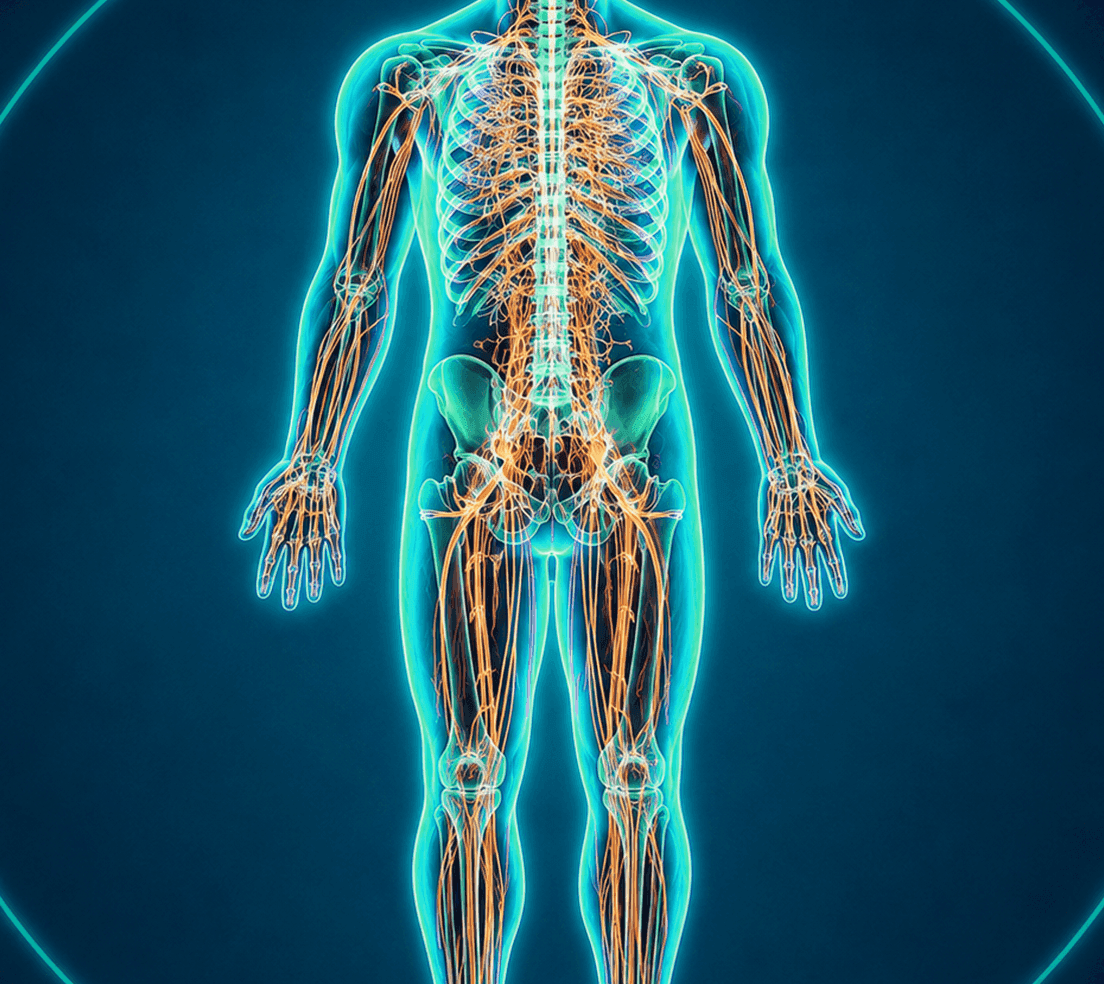
Peripheral Neuropathy: Causes, Symptoms & Treatment Options
What Is Peripheral Neuropathy? Peripheral neuropathy is a condition that affects the peripheral nerves, which carry signals between the brain and spinal cord and the rest of the body. It commonly affects the hands and feet and may cause symptoms such as numbness, tingling, burning pain, or muscle weakness. The severity and symptoms can vary depending on the underlying cause and the extent of nerve damage. What Are the Symptoms of Peripheral Neuropathy? Peripheral neuropathy symptoms can vary from one person to another and may develop gradually. Common symptoms include: Numbness in the hands or feet. Burning or tingling sensations. Muscle weakness. Gradual loss of sensation. Pain that may become worse at night. Difficulty holding objects or walking. Increased sensitivity to touch in some cases. Persistent or worsening symptoms should be medically evaluated to identify the underlying cause and prevent further nerve damage. What Causes Peripheral Neuropathy? Peripheral neuropathy can have several possible causes, including: Diabetes Diabetes is one of the most common causes of peripheral nerve damage and can lead to persistent numbness, pain, or tingling in the hands and feet. Vitamin Deficiencies Deficiencies in certain vitamins, particularly those involved in healthy nerve function, may contribute to peripheral neuropathy. Nerve Injuries Trauma or injury to a peripheral nerve can result in nerve damage and affect sensation or movement. Nerve Compression Pressure on a peripheral nerve can cause symptoms such as numbness, tingling, pain, or weakness. Certain conditions may require specialized treatment or surgical nerve decompression. Autoimmune Disorders Some autoimmune diseases can affect the peripheral nerves and lead to neuropathy. Certain Medications Some medications may cause peripheral nerve damage as a side effect. The risk depends on the medication and the individual patient's condition. Identifying the underlying cause is an important step in choosing the appropriate peripheral neuropathy treatment. How Is Peripheral Neuropathy Diagnosed? Diagnosis usually starts with a detailed medical history and a neurological examination. Depending on the symptoms, the doctor may recommend: Nerve conduction studies and electromyography (EMG): These tests evaluate how well the nerves and muscles are functioning. Blood tests to identify possible underlying causes. Imaging studies when nerve compression or structural problems are suspected. Other diagnostic tests depending on the patient's symptoms and medical history. An accurate diagnosis helps determine whether the symptoms are caused by peripheral neuropathy, nerve compression, or another neurological condition. How Is Peripheral Neuropathy Treated? Peripheral neuropathy treatment depends mainly on the underlying cause, the severity of nerve damage, and the symptoms. Treatment may include: Treating the Underlying Cause Managing the condition responsible for nerve damage, such as diabetes or a vitamin deficiency, may help prevent further nerve damage. Medications Certain medications may be prescribed to help manage nerve pain or other symptoms, depending on the patient's condition. Physical Therapy Physical therapy may help improve muscle strength, balance, movement, and overall function in selected cases. Nerve Decompression Surgery When symptoms are caused by significant nerve compression, surgical decompression may be considered in appropriate cases. Peripheral Nerve Surgery Certain peripheral nerve injuries, including severe nerve damage or nerve lacerations, may require specialized surgical treatment depending on the type and extent of the injury. When Should You See a Doctor? You should seek medical evaluation if you experience persistent or worsening: Numbness or tingling. Burning or nerve pain. Muscle weakness. Loss of sensation. Difficulty walking or using your hands. Early assessment can help identify the cause of the nerve problem and determine the most appropriate treatment. Can Peripheral Neuropathy Be Treated? Treatment depends on the underlying cause. In some cases, managing the condition causing the nerve damage can help control symptoms and prevent further progression. When peripheral neuropathy is related to nerve compression or a peripheral nerve injury, specialized treatment may be considered based on the patient's diagnosis. The earlier the underlying cause is identified, the better the opportunity to protect nerve function and manage symptoms effectively. Conclusion Peripheral neuropathy can cause numbness, tingling, burning pain, loss of sensation, and muscle weakness in the hands and feet. Because these symptoms can have several different causes, accurate diagnosis is essential before choosing a treatment plan. Treatment may involve managing the underlying condition, medications, physical therapy, or, in selected cases, nerve decompression or peripheral nerve surgery. If you are experiencing persistent numbness, tingling, nerve pain, or weakness, consult Dr. Osama Mostafa Mowafy, Consultant Neurosurgeon & Spine Surgeon, for proper evaluation and an individualized treatment plan.