
Sciatica: Symptoms, Causes, Treatment & When to See a Doctor
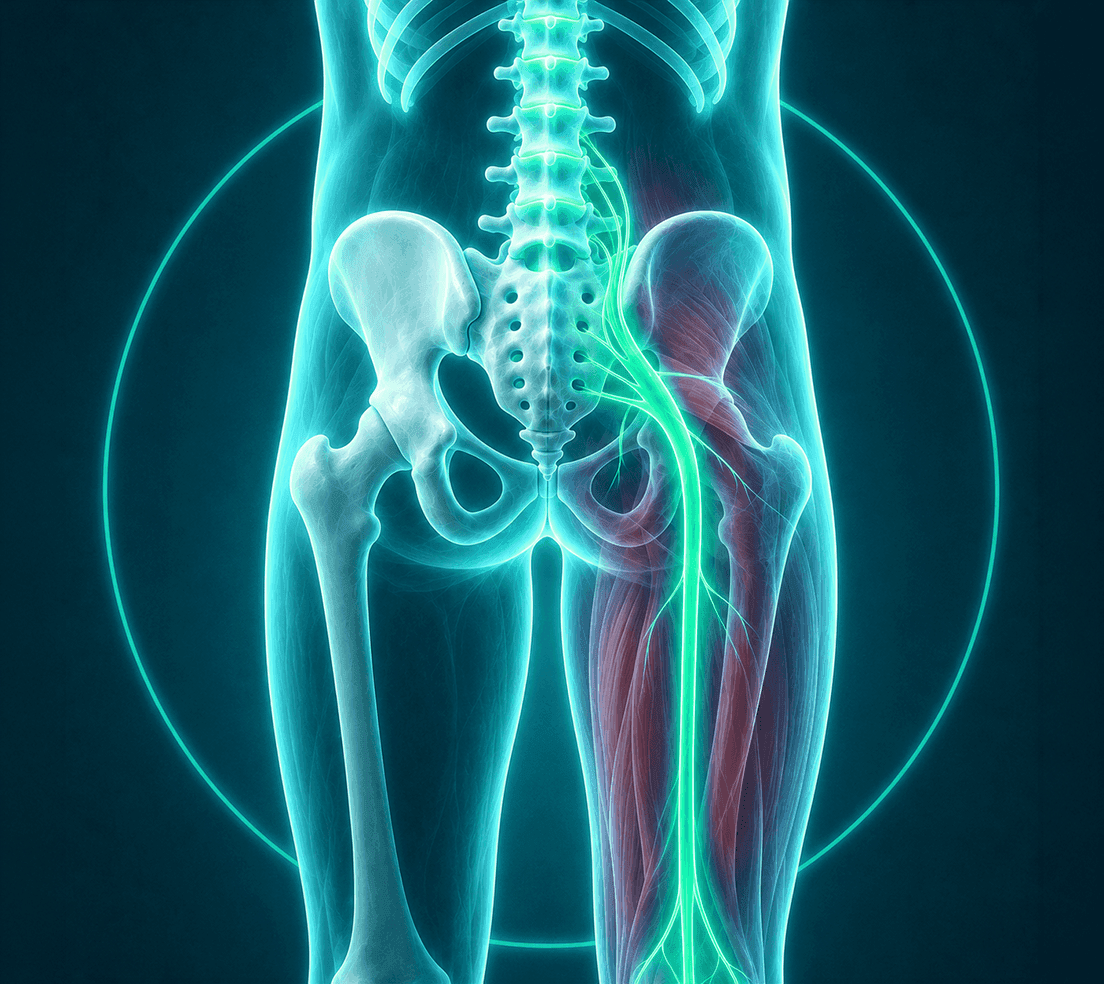
What Is Sciatica? Sciatica is pain caused by irritation or compression of the sciatic nerve, the longest nerve in the body. The sciatic nerve runs from the lower back through the buttocks and down the leg to the foot. A herniated disc is one of the most common causes of sciatica. However, other conditions affecting the spine can also put pressure on the sciatic nerve and cause similar symptoms. What Are the Symptoms of Sciatica? Sciatica symptoms can vary depending on the underlying cause and the degree of nerve compression. Common symptoms include: -Pain that starts in the lower back and travels down the leg. -Numbness or tingling in the leg or foot. -Weakness in the leg or foot. -Difficulty standing or walking for long periods. -Pain that may become worse after sitting for a long time. Sciatica usually affects one side of the body, although symptoms can vary from one person to another. What Causes Sciatica? Several conditions can cause sciatic nerve pain, including: Herniated Disc A herniated disc in the lower back can put pressure on the nerve roots that form the sciatic nerve, making it one of the most common causes of sciatica. Spinal Canal Stenosis Narrowing of the spinal canal can put pressure on the spinal nerves and lead to symptoms of sciatica. Spondylolisthesis When one vertebra slips forward over another, it may narrow the space around the nerves and cause nerve compression. Spinal Injuries Certain injuries affecting the spine may irritate or compress the nerves and lead to sciatic nerve pain. When Should You See a Doctor for Sciatica? You should consult a doctor if: -The pain continues without improvement. -The pain is affecting your ability to move or perform daily activities. -You experience persistent numbness or loss of sensation in the leg or foot. -You develop muscle weakness. -You experience difficulty controlling your bladder or bowel movements. Some of these symptoms may indicate significant nerve compression and require prompt medical evaluation. How Is Sciatica Diagnosed? Diagnosing sciatica starts with a medical history and physical examination. The doctor evaluates the location of the pain, muscle strength, sensation, and reflexes. Depending on the symptoms, imaging tests such as an MRI scan may be recommended to identify conditions such as a herniated disc or spinal canal stenosis that could be causing pressure on the sciatic nerve. An accurate diagnosis is important because not every type of pain that travels down the leg is necessarily caused by sciatica. How Is Sciatica Treated? Sciatica treatment depends mainly on the underlying cause, severity of symptoms, and the patient's overall condition. Treatment options may include: Medication Medications may be prescribed to help manage pain and inflammation when appropriate. Physical Therapy Physical therapy can help improve movement, strengthen supporting muscles, and reduce stress on the spine in selected cases. Injections Certain injections may be considered for patients who continue to experience symptoms despite conservative treatment. Radiofrequency Treatment Radiofrequency-based procedures may be considered in selected cases depending on the source of pain and the patient's diagnosis. Surgery Surgery may be recommended when there is significant nerve compression, persistent symptoms despite appropriate non-surgical treatment, or neurological problems such as progressive muscle weakness. The appropriate treatment should be determined after a proper medical evaluation. Is Every Pain That Travels Down the Leg Sciatica? No. Pain that travels from the lower back into the leg can have several possible causes. Sciatica specifically refers to symptoms related to irritation or compression of the sciatic nerve or its contributing nerve roots. Conditions such as a herniated disc, spinal canal stenosis, or other spinal disorders may produce similar symptoms. For this reason, accurate diagnosis is the first step toward choosing the right treatment. Conclusion Sciatica is a common condition that can cause pain, numbness, tingling, or weakness along the path of the sciatic nerve. Although a herniated disc is one of its most common causes, other spinal conditions can also lead to sciatic nerve compression. Early and accurate diagnosis helps identify the underlying cause and determine the most appropriate treatment, whether conservative, minimally invasive, or surgical. If you are experiencing persistent sciatica symptoms, lower back pain, leg pain, numbness, or weakness, consult Dr. Osama Mostafa Mowafy, Consultant Neurosurgeon & Spine Surgeon, for proper evaluation and an individualized treatment plan.