
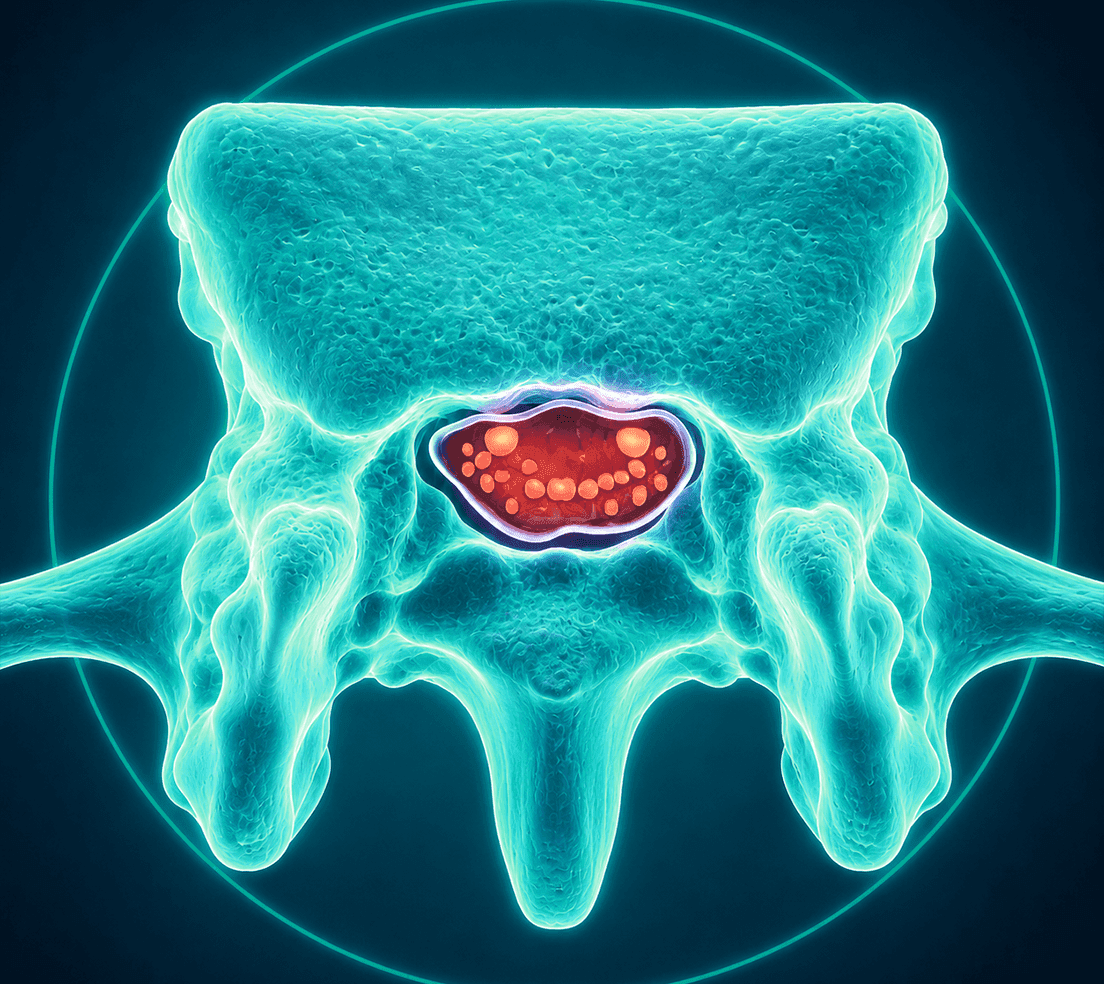
Spinal Canal Stenosis: Causes, Symptoms, and Treatment Options
What Is Spinal Canal Stenosis? Spinal canal stenosis occurs when the space inside the spinal canal becomes narrower, putting pressure on the spinal cord or nearby nerves. It commonly affects the cervical spine or lower back and may cause pain, numbness, weakness, or difficulty walking. What Are the Symptoms of Spinal Canal Stenosis? Common spinal stenosis symptoms include: Neck or lower back pain Pain that travels into the arms or legs Numbness or tingling Muscle weakness Difficulty standing or walking for long periods What Causes Spinal Canal Stenosis? Common causes include age-related changes in the spine, herniated discs, thickened spinal ligaments, spinal fractures, and, less commonly, spinal tumors. How Is Spinal Canal Stenosis Diagnosed? Diagnosis starts with a medical history and physical examination. MRI and CT scans may help assess the spinal canal, nerves, discs, and surrounding structures. How Is Spinal Canal Stenosis Treated? Treatment depends on the severity of spinal stenosis and its effect on daily activities. Options may include medication, physical therapy, injections, radiofrequency treatment, and, in some cases, spinal stenosis surgery to relieve significant nerve or spinal cord compression. When Is Surgery Needed? Surgery may be considered when symptoms persist despite non-surgical treatment, pain significantly affects daily activities, neurological weakness progresses, or imaging shows significant nerve or spinal cord compression. When Should You See a Doctor? Consult a specialist if you experience persistent neck or back pain, numbness, weakness, or difficulty walking. Early evaluation can help identify the cause and determine the appropriate treatment.